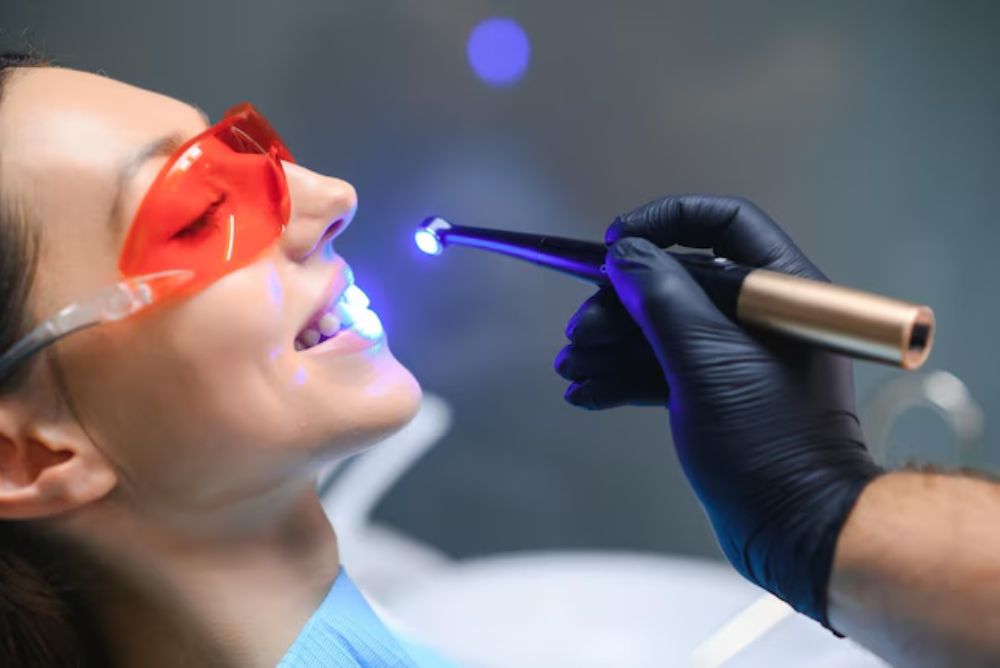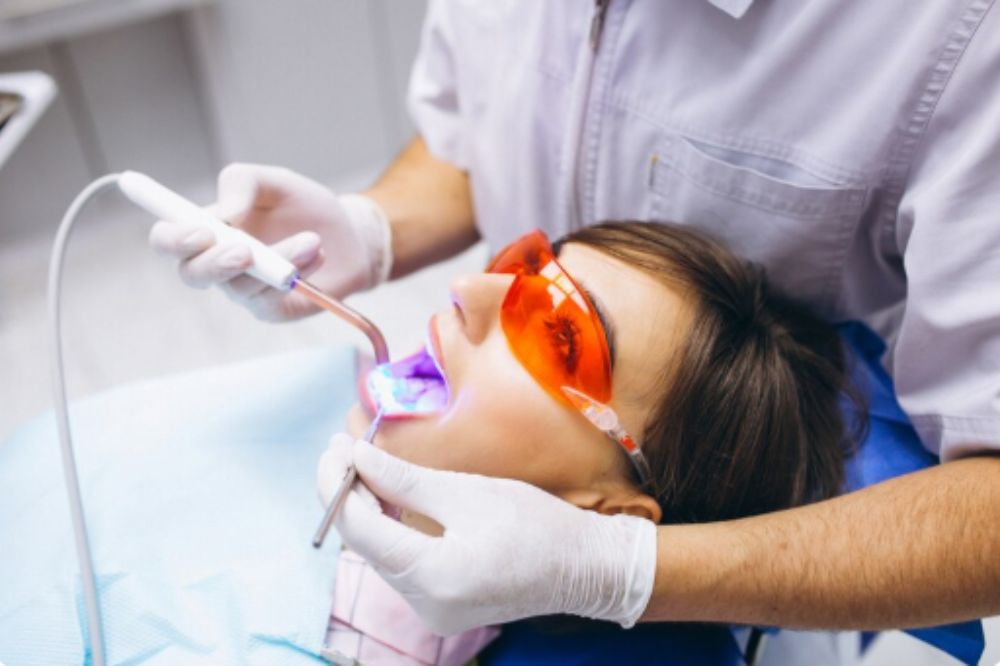
Laser dentistry is more comfortable, less noisy, and less painful, but there is no single procedure that suits everybody. Many patients love the advantages, but you should know the potential risks before making up your mind. If you are thinking about laser dentistry in Kendall Park, here are some things you should consider.
Can Lasers Be Used for All Dental Treatments?
Not quite. Although lasers are a wonderful tool for some treatments, such as curing gum disease, curing mouth ulcers quicker, or repairing small surface cavities, they won’t do it all. Even with the most modern equipment, a dentist in Kendall Park will still be required to use regular dental tools for most procedures, particularly when precision or pressure is required.
Lasers typically can’t be utilized for:
- Removing old metal fillings
- Shaping teeth for crowns or large restorations
- Working with ceramic veneers or bridges
- Removing deep or large cavities
- Structural changes that involve extensive tooth preparations
Here, the old-fashioned drill and instruments are still the best way to do it. So while lasers speed up and make some treatments more comfortable, they are best supplemented with other time-proven methods, not substituted for them entirely.
Is Laser Dentistry More Expensive Than Regular Treatment?
Yes, generally, it is. Laser machines are sophisticated and expensive, and that can drive laser treatments well beyond what routine dental work costs.
Fees in most offices, including one close to you, may be higher because:
- Expensive equipment and maintenance
- Special training needed
- Limited insurance coverage (particularly for cosmetics)
It’s always a good idea to discuss price and insurance with your dentist before treatment.
Do Lasers Work on All Types of Dental Materials?
Unfortunately, no. Lasers don’t work well on:
- Metal fillings
- Ceramic crowns
- Bridges or porcelain restorations
If your tooth has these materials, your dentist may need to switch tools during your visit, which could change your treatment plan.
Can Laser Dentistry Cause Harm If Not Used Correctly?
Yes, it’s possible, though rare, with a skilled dentist. If a laser is used improperly, it may:
- Overheat the tooth
- Damage nearby gum tissue
- Causes temporary sensitivity
That’s why it’s important to visit a trained and trusted dentist near you who knows how to use laser tools safely and effectively.
Will I Still Need Numbing or Anesthesia?
Sometimes, yes. While lasers often reduce the need for shots or numbing, they don’t eliminate it, especially if:
- The treatment goes deep near the nerves
- You have an infection
- You’re highly sensitive to dental pain
For deeper procedures, your dentist may still recommend local anesthesia to keep you comfortable.
Not Sure If Lasers Are the Best Fit? We Can Help!
While laser dentistry offers many great benefits, it’s not a perfect fit for every situation or every patient. Knowing the limitations can help you make a smart choice. At Smiles By Dr Levine, we use both modern laser tools and traditional techniques to give you the best care possible. Whether you’re considering laser dentistry or want advice from a trusted dentist, our team is here to help. Book an appointment today to explore the right treatment for your comfort and smile goals.
FAQs
- Can laser dentistry harm healthy teeth?
If used incorrectly, yes. That’s why it’s important to choose a skilled and experienced provider.
- Is laser dentistry always more expensive?
Often it is, due to the equipment and training involved. Some treatments may not be covered by insurance.
- Can lasers treat all dental problems?
No. Some procedures, especially those involving metal or large restorations, still require traditional tools.
- Are lasers quieter than drills?
Yes, lasers are quieter and cause less vibration, which many patients prefer, though they’re not silent.
- Will I heal faster after laser treatment?
In many cases, yes. Laser dentistry can speed up healing and reduce bleeding, but results vary by person.