Dental care for kids goes beyond brushing and flossing at home. Preventive treatments, like sealants, play an important role in keeping teeth healthy.
Many parents start searching for children’s dentistry in Kendall Park to learn more about these preventive options.
Sealants are protective coatings applied to teeth to help prevent cavities, especially on the chewing surfaces where food can get stuck.
Understanding how sealants work, when to start them, and what to expect can help parents make informed choices for their child’s dental care.
What Are Dental Sealants?
Dental sealants are thin, protective coatings applied to the grooves and pits of back teeth, also known as molars and premolars. These areas are more likely to trap food and bacteria, increasing the risk of cavities.
The sealant acts as a shield, keeping harmful substances off the tooth surface. Sealants are usually made from a safe, durable resin material.
They are painless to apply and do not require drilling or removing any part of the tooth. While sealants don’t replace brushing or flossing, they provide an extra layer of protection to help maintain healthy teeth.
When Should Children Get Sealants?
Sealants are typically recommended as soon as a child’s permanent molars come in, which is usually between ages 5 and 7 for the first molars, and between ages 11 and 14 for second molars.
Some dentists may also suggest sealants for primary (baby) teeth if there is a high risk of cavities.
Timing is important because applying sealants early can prevent decay before it starts. Regular dental check-ups allow the dentist to determine the best time for each child.
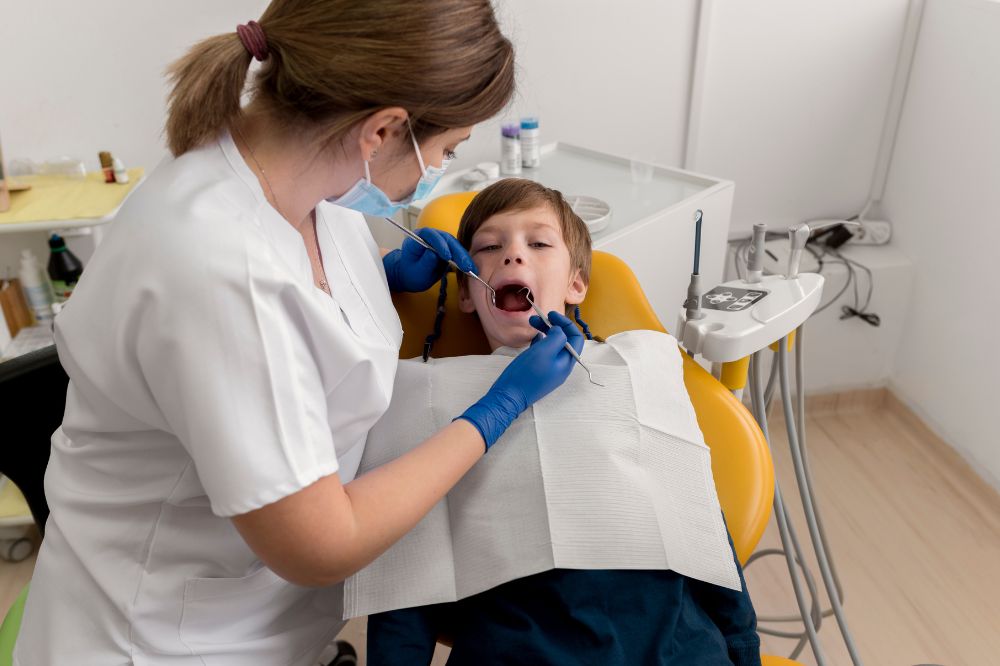
Scheduling sealants during these visits is a common practice in dental offices in Kendall Park that focus on preventive pediatric care.
How Sealants Are Applied
Step 1 – Cleaning the Tooth
Before applying a sealant, the dentist cleans the tooth surface to remove any plaque or debris. This ensures the sealant bonds properly to the enamel.
Step 2 – Preparing the Tooth Surface
A mild acid solution is sometimes applied to roughen the tooth surface slightly. This helps the sealant stick better. The tooth is then rinsed and dried.
Step 3 – Applying the Sealant
The dentist paints the sealant onto the grooves of the tooth. The liquid material flows into all the tiny crevices.
Step 4 – Hardening the Sealant
A special light is often used to harden the sealant quickly. Once set, the coating forms a strong, protective layer that helps prevent cavities.
The entire process is quick, painless, and usually completed in one visit.
Benefits of Dental Sealants for Kids
Sealants offer several benefits as listed below:
- Sealants can help prevent cavities by covering grooves and pits, and sealants reduce the risk of decay in vulnerable areas.
- Dental sealants are a pain-free solution that is applied without any drilling, making them a comfortable preventive option.
- Protecting your teeth from cavities can save families from expensive dental treatments in the future.
- Sealants make brushing easier because fewer grooves trap food and bacteria.
Many parents find that combining sealants with regular brushing, flossing, and dental visits provides the best protection for their child’s teeth.
How to Choose the Right Dentist for Sealants
Look for Pediatric Expertise
Choosing a dentist with experience in children’s dentistry is important; dentists who focus on pediatric care can help children feel comfortable in the dental chair.
Consider Location and Convenience
For families, finding a dentist near Princeton can make regular visits easier to schedule and attend. Location convenience helps make sure your children receive consistent preventive care.
Check the Office Environment
A welcoming office can help children feel relaxed during dental visits. For example, a dental office in Kendall Park that specializes in pediatric care often has child-friendly décor, educational materials, and staff trained to interact with young patients.
Ask About Preventive Services
When scheduling a visit, ask about sealants and other preventive care options.
Dentists provide guidance on timing, materials, and ongoing care to maximize protection.
How to Protect Your Child’s Teeth with Sealants
Sealants are a simple way to help prevent cavities in children. By applying sealants early and combining them with good daily oral hygiene, families can support strong, healthy teeth.
Smiles By Dr Levine offers a child-focused approach to preventive dental care.
For parents looking for guidance on sealants or other preventive treatments, scheduling a visit with a trusted children’s dentist in Kendall Park can help clarify timing and options for your child.
Getting here is simple — just follow us on Google Maps for the best route. 📍
FAQs
Are sealants safe for kids?
Yes. Sealants are made from safe, durable materials and are applied without drilling or causing pain.
Do sealants replace brushing and flossing?
No. Sealants are an extra layer of protection. Brushing and flossing are still essential for overall oral health.
How long do sealants last?
Sealants can last several years, but dentists check them during regular visits and may reapply them if needed.
Can sealants be applied to baby teeth?
In some cases, yes. Dentists may recommend sealants for baby teeth if the child is at high risk for cavities.