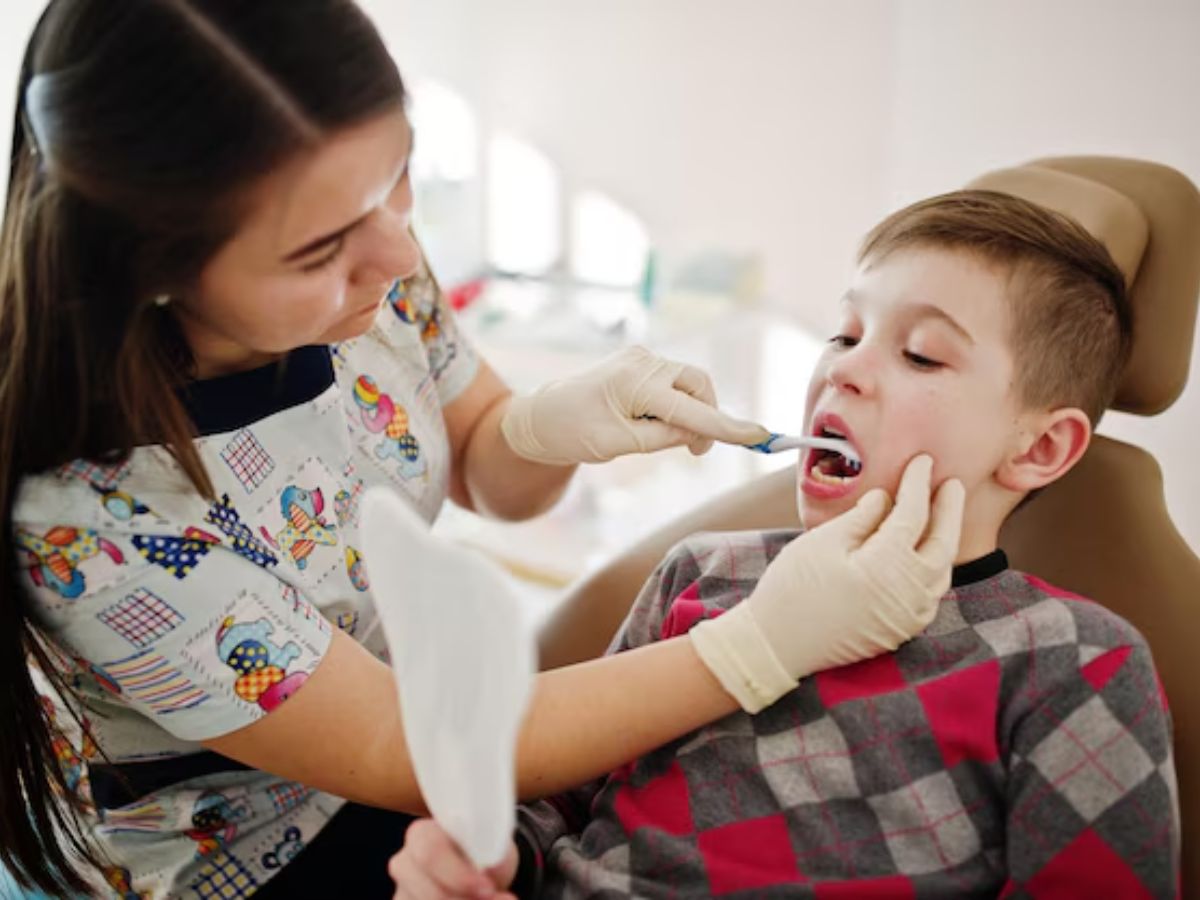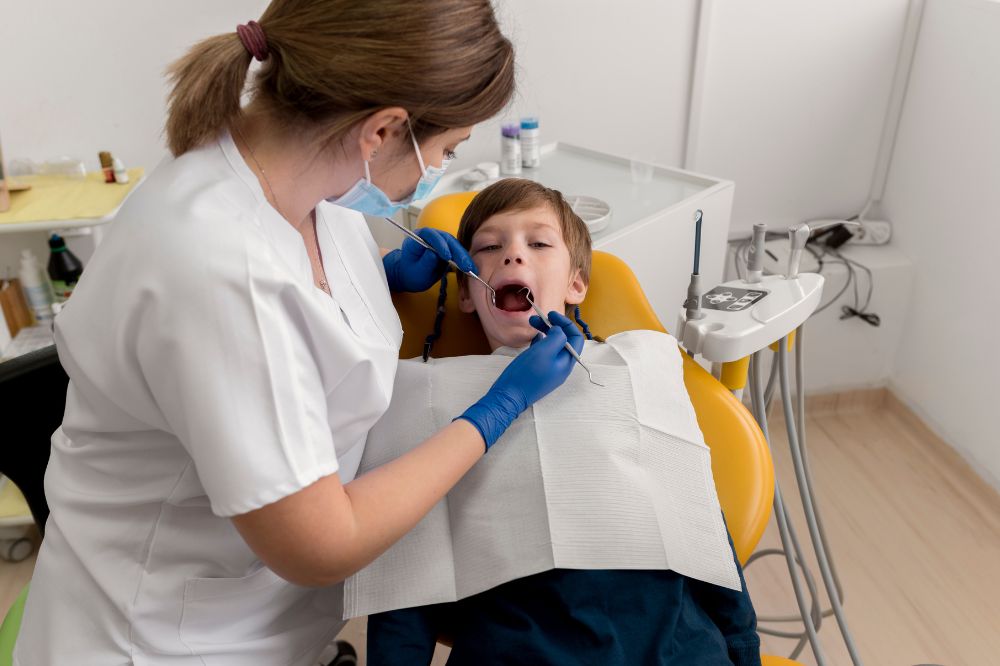
Dental sealants are absolutely worth it for children because they provide a powerful physical barrier against the bacteria that cause 90% of cavities in permanent molars. These thin, protective coatings are applied to the chewing surfaces of the back teeth, filling in the deep grooves and pits where food particles and plaque often get trapped beyond the reach of a toothbrush. Consulting a dentist in Kendall Park can help you determine the ideal time to apply this preventative treatment, usually as soon as the first permanent molars erupt around age six.
How Do Dental Sealants Protect Young Teeth?
The primary function of a sealant is to “seal out” decay in the most vulnerable areas of a child’s mouth. When you visit a dentist near South Brunswick, the application process is quick, painless, and requires no drilling or removal of tooth structure. By smoothing out the rugged terrain of a molar, sealants make it much easier for children to keep their teeth clean during their daily brushing routine, significantly lowering the risk of painful infections and the need for future fillings.
What Makes Sealants a Wise Financial Choice?
Investing in preventative care is almost always more cost-effective than treating damage after it occurs. Many parents searching for children’s dentistry near you find that sealants are a standard recommendation because they act like a “safety net” during the years when kids are most prone to cavities and least diligent with their hygiene. Most insurance plans cover the full cost of sealants for children, recognizing that a simple coating is much less expensive than the long-term costs of crowns, root canals, or extractions.
How Effective Are Dental Sealants in Preventing Decay?
Clinical studies have shown that sealants are remarkably reliable at stopping the formation of cavities. When asking how effective dental sealants are, data suggests that they reduce the risk of decay by nearly 80% in the first two years after application. They continue to offer significant protection for up to four years. As long as the sealant remains intact, the protected surface remains shielded from the acids produced by sugar and bacteria.
What is the Application Process Like for a Child?
The procedure is simple enough for even the most anxious young patients to handle with ease. First, the teeth are thoroughly cleaned and dried. Then, a mild solution is applied to the chewing surface to help the sealant bond to the enamel. Finally, the liquid sealant is painted onto the tooth and hardened with a special blue light. The entire process takes only a few minutes per tooth, and the child can eat and drink normally immediately after leaving the office.
How Long Do Sealants Usually Last?
While sealants are durable enough to withstand the pressure of normal chewing, they can occasionally wear down or chip over time. During regular check-ups, your dental team will examine the sealants to ensure they are still providing a complete seal. If a portion of the sealant has worn away, it can be easily replaced or “touched up” to maintain the protective barrier, ensuring the tooth remains safe throughout the most cavity-prone years of childhood.
Securing a Healthy Future for Your Child’s Smile
Choosing dental sealants to protect your child’s teeth is the best step you can take as a parent. By creating a shield against decay during the development years, you are now just protecting cavities; you are encouraging a positive relationship with dental health that can last longer. A decay-free mouth is free of pain, allowing your child to focus on growing, learning, and smiling with confidence. At Smiles By Dr Levine, we are passionate about preventative care that keeps kids healthy and happy. Our team is dedicated to providing a gentle, educational environment where children feel empowered to care for their teeth. If you are ready to give your child the benefit of extra protection against cavities, we invite you to reach out to us today to schedule an appointment and see the difference that modern prevention can make.
Getting here is simple — just follow us on Google Maps for the best route. 📍
FAQs
Can sealants be placed over small cavities?
In some cases, yes. If a very small area of decay is detected, a sealant can be placed over it to “starve” the bacteria of the oxygen and food they need to grow, effectively stopping the cavity in its tracks.
Do sealants feel weird in the mouth?
Most children don’t notice them at all. At most, the tooth might feel slightly “taller” or smoother for a few hours until the sealant settles in.
Are sealants just for permanent teeth?
While they are most common on permanent molars, they can be used on baby teeth if a child has particularly deep grooves and is at high risk for decay.
Are there any side effects to the materials used?
Sealants are made of medical-grade resins that have been used safely for decades and are BPA-free in almost all modern dental practices.